

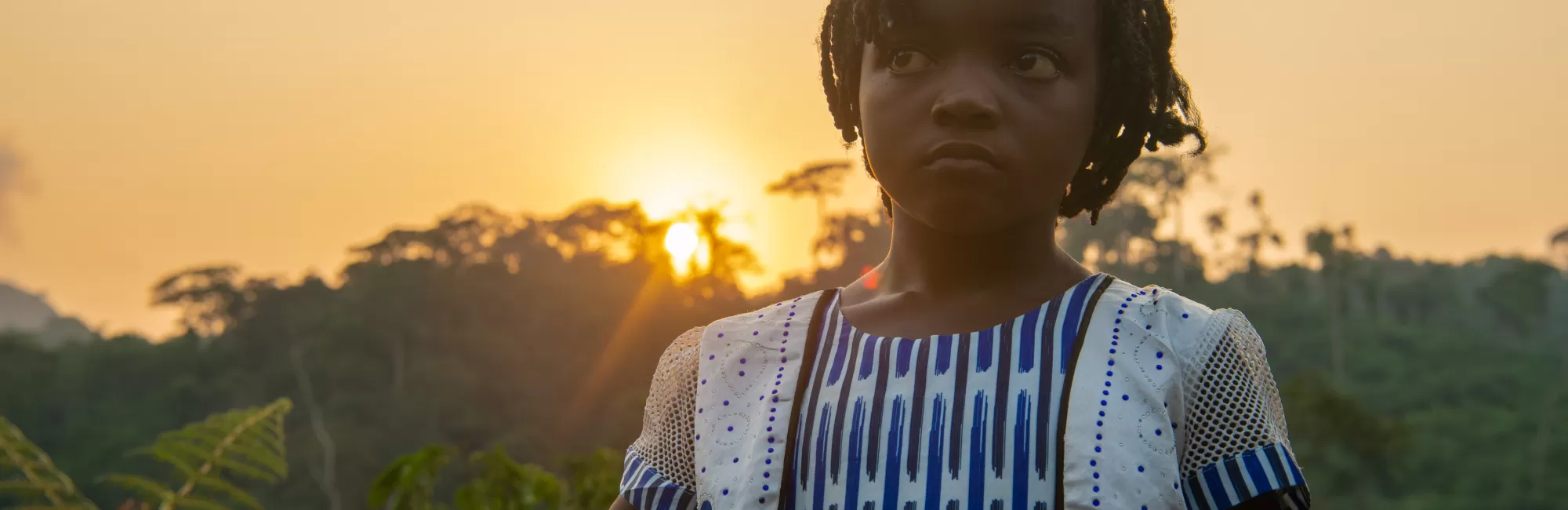
Rich in nature and natural resources, Cameroon’s biodiversity and ecosystems are under alarming threats. Part of both the Congo Basin and Gulf of Guinea ecosystems, Cameroon has some of the richest forested areas in West and Central Africa, home to numerous endemic and endangered species and numerous communities that depend on these areas for livelihoods, resources and sustenance.
Yet these forests have been vanishing an accelerating rate since 2013. Illegal logging to satisfy Asian demand, fueled by corruption, saw Cameroon lose 6% of its humid primary forest between 2002 and 2025, according to Global Forest Watch, with land clearance for agriculture, plantations, roads and mining also contributing. At the same time, hunting for the wild meat trade is placing an unsustainable burden on many animal species, especially pangolins. Furthermore, instability in the Anglophone part of the country has put an estimated 80% of animals in the region at risk of extinction.



Taking pangolin off the menu in Cameroon
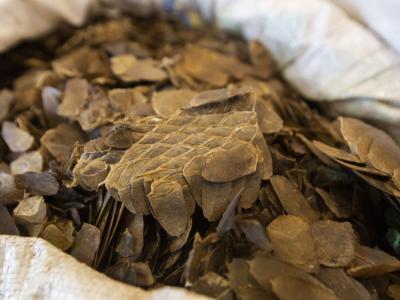
Across Africa, pangolins are under threat. Their habitats are shrinking fast, and Asian demand for pangolin scales for use in traditional medicine has unleashed a new global trade, and spurred hunters to take ever greater numbers from the wild.
But in Cameroon, a stronghold for three of Africa’s four pangolin species, an even bigger threat has emerged to the survival of these shy and gentle animals. The expansion of cities, and a rapidly growing commercial trade in pangolin meat, has driven hunting to dangerously unsustainable levels. Many Cameroonians say they love the taste of pangolin meat, and in 2022 our survey showed that one-in-six urbanites said they were eating pangolin meat at least once a month – levels many times higher than in neighboring countries.
It is no exaggeration to say that the future of White-bellied, Black-bellied and Giant Pangolins will partly be decided on the dinner plates of Yaoundé and Douala, Cameroon’s two biggest cities.
That’s where WildAid and our supporters come in. Our ambition is to do nothing less than change social norms in Cameroon, to make the consumption of pangolin meat socially unacceptable and transform the image of the pangolin in this country.
Our campaign began in 2022, and took as a starting point Cameroon’s already significant pride in their country’s natural heritage. Using respected traditional leaders, idolized footballing legends and the country’s hottest musicians as our messengers, we promoted pangolins as a symbol of conservation and national pride. We explained the threats to their survival, underlined their unique role in forest ecosystems, and warned that the law had already made trading and consuming pangolins an illegal act. Keying off widespread concern about deforestation, we encouraged Cameroonians to speak up for their forests and all the wildlife living there, including pangolins.
Attitudes began to shift, and support for the law protecting pangolins grew. Two years into the campaign, self-reported consumption of pangolin meat in Cameroon’s main cities had already fallen by around 25%.
Pangolin meat consumption falls in Cameroon, as support for protection rises
Cameroon was now ready for the next step, for us to take the campaign directly into the restaurants serving bushmeat, to restaurant owners and bushmeat consumers at the point of sale. Our campaign was entitled “No pangolin on my plate” and our campaigners have visited nearly 950 restaurants serving bushmeat and traditional food in Yaoundé, Douala and three smaller cities, explaining the importance of saving pangolins from extinction and inviting restaurants to take a public pledge not to serve pangolin meat.
The campaign has already been even more effective than we could have imagined. More than 630 restaurants have signed up to the campaign and displayed our campaign posters and stickers in their establishments. We found just over 300 restaurants that admitted to serving pangolin meat – more than half of that number, over 150 restaurants -- agreed to stop.
In the midst of this work, Cameroon's government also took the historic step of passing a new Forestry and Wildlife law, dramatically strengthening the framework for conservation, while protecting the customary rights of local communities. It also introduces much tougher penalties for wildlife crime, including for killing Class A protected species such as pangolins.
Cameroon’s new forestry and wildlife law marks historic step forward
As our campaign has gathered pace, Cameroon’s Ministry of Forestry and Wildlife (MINFOF) also stepped up its efforts. MINFOF agents have begun visiting restaurants that declined to join the campaign, and warning them to respect the law. As attitudes shift, and with the government behind us, we hope to completely eliminate pangolin meat from restaurants in Yaoundé and Douala, and throw these incredible animals a much-needed lifeline.
WildAid’s work in Asia is also paying dividends, and evidence is emerging of a significant decline in the demand for pangolin scales in China. That in turn has led to a large decline in the price of pangolin scales in Cameroon, of between 45 and 75% across urban and rural areas between 2020 and 2025.
Price of pangolin scales tumbles in Cameroon as Chinese demand wanes
Today, we can finally talk about real hope for the survival of pangolins across the globe.