

WildAid uses consumer research and behaviour change campaigns to understand and reduce urban demand for illegal and unsustainable wild meat.
While wild meat can be an important source of protein for rural communities, the commercial trade in wild meat to Africa's fast expanding cities has become one of the continent's most pressing conservation issues. The sheer scale of the trade is placing unsustainable pressure on wildlife populations, including of endangered species, and reducing the prey base for predators like lions. The widespread use of snares in illegal hunting is not only cruel, often subjecting animals to slow and painful deaths, it is also indiscriminate, catching lions and other animals who were not the intended target.
WildAid aims to promote a sustainable model of wild meat consumption across Africa. In Cameroon, WildAid is engaged in a multi-year campaign to end the urban consumption of pangolin meat, which is already showing dramatic results. In Tanzania, we are hoping to launch a new campaign to end the consumption of illegal wild meat in the country's cities.
Say no to pangolin meat in Cameroon
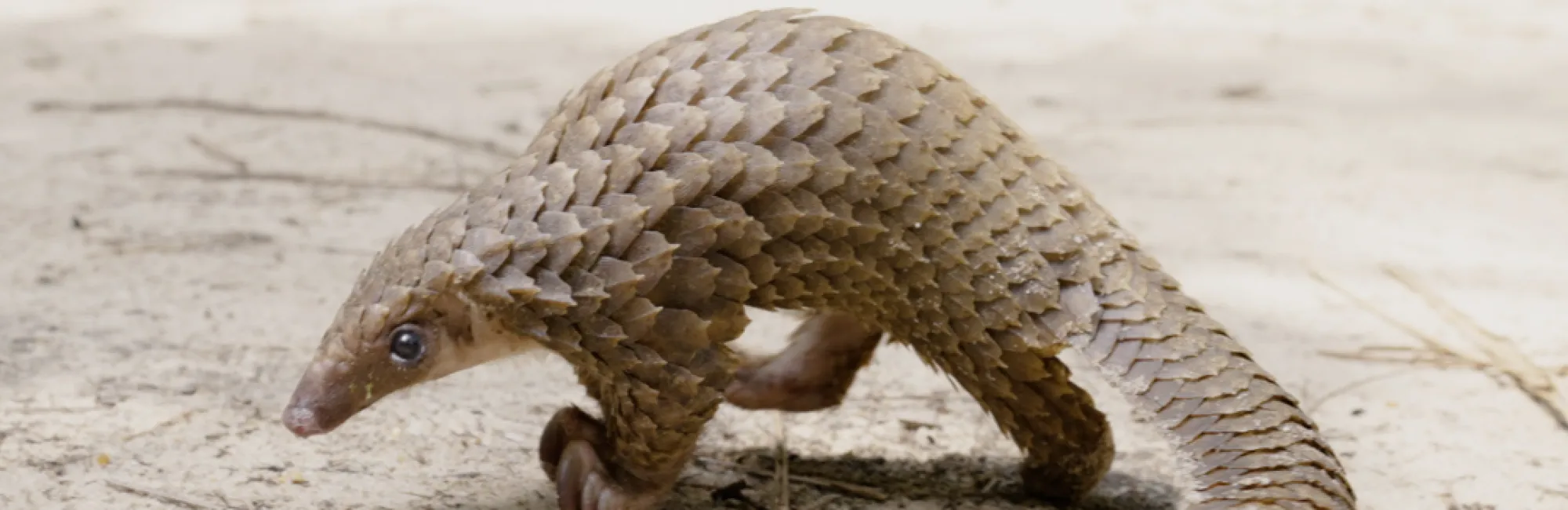
Cameroon is a stronghold for three of Africa's four pangolin species - the White-bellied Pangolin, Black-bellied Pangolin and Giant Pangolin. But it is also a major consumer of pangolin meat domestically, and has probably been the biggest single source of pangolin scales trafficked to Asia for use in traditional medicine in the past decade.
WildAid's research discovered alarminlgy high levels of urban pangolin meat consumption in Cameroon - in 2022 one-in-six urbanites said they were eating pangolin meat at least once a month, levels that were many times higher than in neighboring countries.
Our Say No to Pangolin Meat campaign was launched that year, and partnered with respected traditional leaders, idolized footballing legends and the country’s hottest musicians to promote pangolins as a symbol of conservation and national pride.
Gradually, attitudes began to shift, and support for the law protecting pangolins grew. Two years into the campaign, self-reported consumption of pangolin meat in Cameroon’s main cities had already fallen by around 25%.
At that point, we took the campaign directly into the restaurants serving bushmeat, to restaurant owners and bushmeat consumers at the point of sale. Campaigners have visited nearly 950 restaurants serving bushmeat and traditional food in Yaoundé, Douala and three smaller cities, explaining the importance of saving pangolins from extinction and inviting restaurants to take a public pledge not to serve pangolin meat.
The campaign has already been even more effective than we could have imagined. More than 630 restaurants have signed up to the campaign and displayed our campaign posters and stickers in their establishments. We found just over 300 restaurants that admitted to serving pangolin meat – more than half of that number, over 150 restaurants -- agreed to stop.
Ending illegal urban wild meat consumption in Tanzania
WildAid is hoping to launch a new campaign to end the consumption of illegal wild meat in the country's cities.
Watch this space!